I’ve read a lot of books on the power of nutrition over the years. In fact, if you ever need a gift idea for me, the latest research-backed book on proper nutrition is always a solid choice. I love digging into what the science says—how food impacts the body, and more importantly, how it can help prevent or even reverse disease.
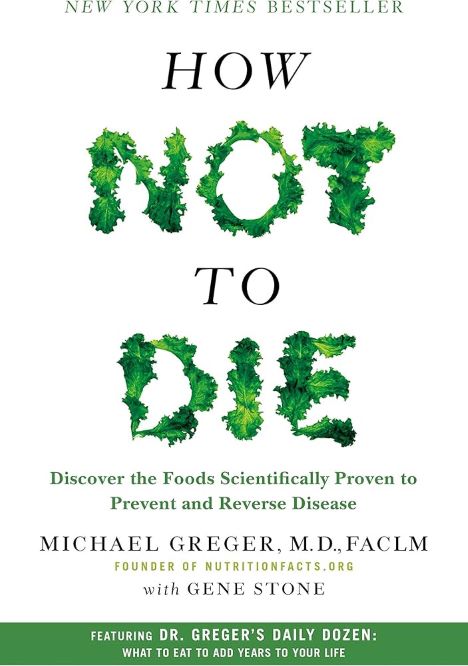
One book that really stuck with me is *How Not to Die* by Dr. Michael Greger. It’s been about seven or eight years since I first read it, and while the title might sound dramatic, the message is clear: the right foods can dramatically improve your health. The book’s tagline is *’Discover the Foods Scientifically Proven to Prevent and Reverse Disease,’* and that’s exactly what it delivers.
Dr. Greger dives into the *root causes* of chronic diseases—heart disease, diabetes, cancer, and even conditions like dementia and autoimmune disorders. His argument is that modern medicine does an incredible job of treating acute issues—if you have a heart attack, there’s a stent or bypass surgery to fix it. But what’s missing in the system is prevention. We’re great at patching things up, but not as great at addressing why these health issues develop in the first place.
He presents compelling evidence that many of the leading causes of death in the Western world are driven by diet and lifestyle. His research is based on meta-analyses—large-scale studies that pool data from many other studies—which makes his recommendations even more credible. The takeaway? A predominantly plant-based diet, rich in whole foods, can dramatically lower the risk of these diseases.
My Personal Experience with a Plant-Based Diet
After reading *How Not to Die*, I started thinking more critically about my own diet. At the time, I was eating a fairly typical Western diet—plenty of chicken and pork, occasional red meat, and not nearly enough vegetables and whole foods. Even though I exercised regularly and watched my calorie intake, my total cholesterol hovered in the 190–196 mg/dL range for several years. That’s below the 200 mg/dL threshold that most doctors consider ‘borderline high,’ but *How Not to Die* challenged that standard.
Dr. Greger argues that in many parts of the world where heart disease is rare, total cholesterol levels are typically *below* 150 mg/dL. The Western diet has normalized higher cholesterol levels, which might explain why heart disease remains the leading cause of death.
So, in 2018, I decided to put it to the test. For three weeks leading up to my annual blood test, I went 100% plant-based—no meat, no dairy, just whole plant foods. When I got my results back, my total cholesterol had dropped from the mid-190s to 147 mg/dL. That was the first time I had ever seen it that low.
Since then, I haven’t been strictly vegan, but I’ve made major changes. I rarely eat red meat anymore, I eat fish two to three times a week, and I load up on fruits, vegetables, and whole grains. My cholesterol has stayed in a much lower range, and I feel great. It’s not just about numbers on a blood test—it’s about how I feel every day.
The Bigger Picture: Why Nutrition Matters
Despite all the research showing the power of diet, I’m still shocked at how little emphasis is placed on nutrition in the medical field. A perfect example is my father’s recent heart surgery. At 82, he underwent a triple bypass and valve repair. He’s been a big red meat eater his whole life—brisket, takeout, high-fat, high-sodium meals. The blockages in his arteries were severe, yet the *first* meal the hospital served him after surgery? Pork sausage and biscuits with gravy.
I even asked his doctors whether there would be any nutrition counseling after his surgery. Their response? No, not really. The general attitude seems to be, *’Well, we’ll just put him on statins and call it a day.’*
This is exactly what Dr. Greger highlights in *How Not to Die*. We’ve built a system that prioritizes treating diseases *after* they appear, rather than preventing them in the first place. But what if we took a different approach? What if we used food and the power of nutrition as medicine?
How Food Makes You Feel
Beyond the long-term health benefits, one of the biggest things I’ve noticed is how *immediately* food affects me. I can’t tell you how many times I’ve had a quarter-pounder with cheese or a candy bar and felt absolutely awful an hour later. It’s enjoyable in the moment—our brains are wired to love that mix of fat, sugar, and salt—but the crash afterward is real.
On the flip side, eating a clean, plant-heavy diet makes me feel *good* all the time. My energy is more stable, my digestion is better, and I recover faster from workouts. It’s not about perfection or never indulging—it’s about making better choices most of the time.
More to Come on The Power of Nutrition
I’ve got a lot more to say on this topic, including a pretty amazing story about my son, who was diagnosed with Crohn’s disease but has never needed medication thanks to diet alone. That’ll be for another post.
For now, if you’re looking for a great book on nutrition, *How Not to Die* is one I’d highly recommend. It’s science-based, practical, and incredibly eye-opening. Whether you want to prevent disease, improve your athletic performance, or just feel better every day, the food you eat is one of the most powerful tools you have.
More on this soon—thanks for reading!










Leave a Reply
You must be logged in to post a comment.